
The Secret to a 5-Star Hotel Living Room: Large Format Porcelain Slabs
Mar 28, 2026

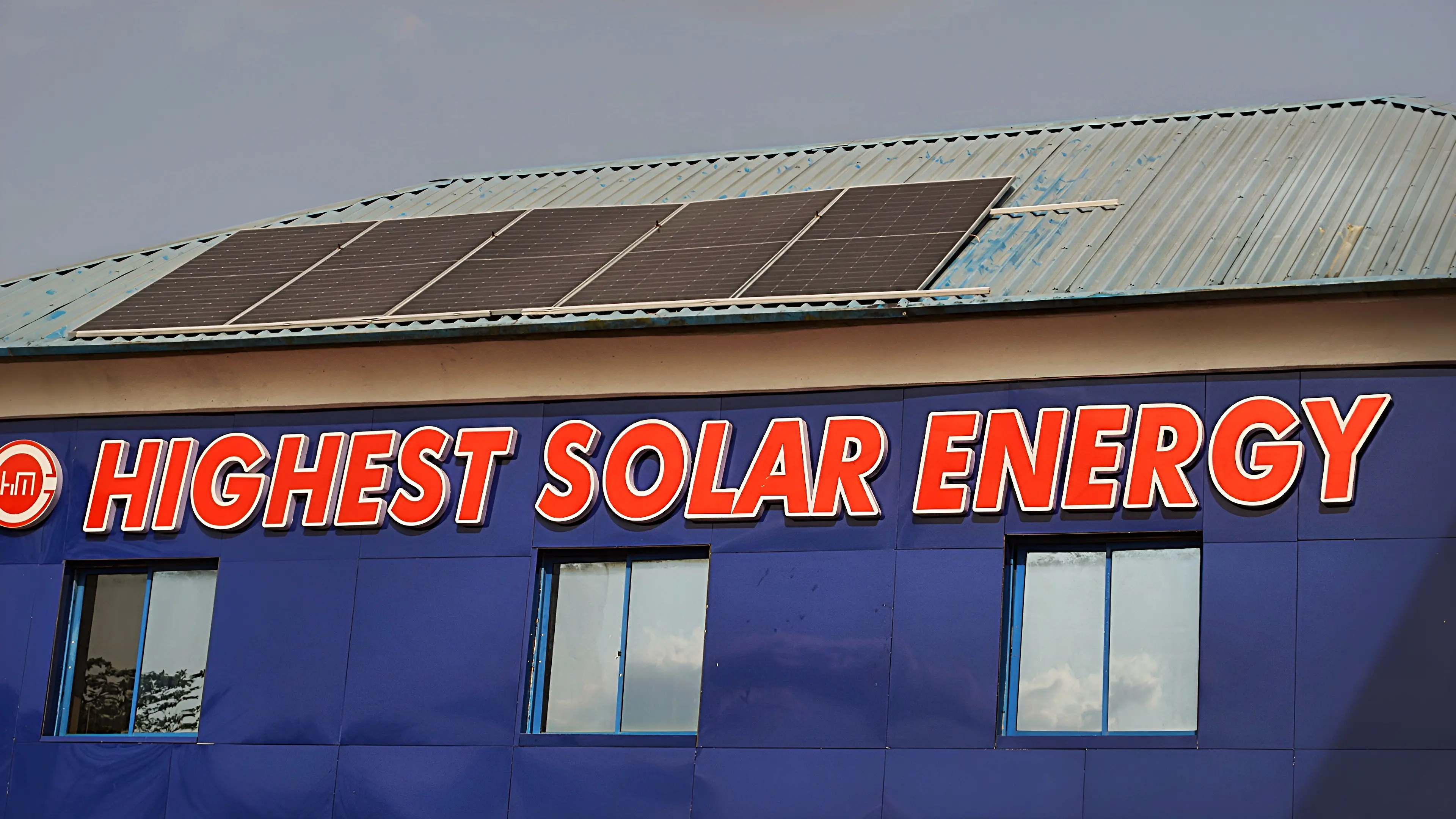
If you have ever installed a solar system in Nigeria, you probably know the frustration: Everything works perfectly for the first 12 to 18 months. Then, slowly, your batteries stop holding a charge. Soon, your inverter is shutting down by 10 PM, leaving you back in darkness and forcing you to turn on the generator.
The culprit? Outdated battery technology. The vast majority of cheap solar installations use Lead-Acid or Tubular batteries. While they are cheaper upfront, they are actually bleeding your wallet dry.
Here is why modern homeowners and businesses are strictly upgrading to Lithium-Ion Solar Batteries, and why it is the only technology we use in our Highest Solar Energy packages.
A standard tubular battery can only be drained to about 50% of its capacity. If you drain it completely, you permanently damage the battery cells. Lithium-ion batteries, however, have a Depth of Discharge (DoD) of up to 90% or more. This means a 5kWh Lithium battery gives you almost twice the usable power of a 5kWh tubular battery.
Tubular batteries typically last 1,000 to 1,500 charge cycles (roughly 2 to 3 years if treated perfectly, which rarely happens with the unstable Nigerian grid). Premium Lithium-ion batteries, like the ZETATECH units we deploy, are engineered for over 6,000 cycles. That translates to 10+ years of daily use without needing a replacement.
Tubular batteries require constant monitoring. You have to check the water levels, deal with acid fumes, and worry about proper ventilation. Lithium-ion batteries are 100% plug-and-play. Furthermore, they charge up to 4 times faster when the grid or sun is available, ensuring your system is fully topped up even during short windows of grid power.
Buying cheap tubular batteries means buying them again next year. Investing in a Hybrid Lithium-Ion system is a true "install once, enjoy daily" infrastructure upgrade.